
Protecting Your Investment Before You Buy or Sell
Tiny Homes on Wheels (THOWs) have transformed the way people think about housing. Whether used as a full-time residence, vacation home, guest house, mobile office, or investment property, these homes represent a significant financial commitment. While they may be smaller than conventional homes, they often contain the same complex systems—including electrical, plumbing, heating, ventilation, roofing, structural framing, insulation, and appliances.
Because of this complexity, an independent inspection is one of the most valuable steps a buyer or seller can take.
At Tiny Home Inspectors, we provide objective, third-party inspections designed to help buyers, sellers, lenders, insurance providers, and property owners better understand the visible condition of a tiny home at the time of the inspection.
What Is an Independent Inspection?
An independent inspection is an unbiased, visual evaluation performed by a qualified inspector who has no financial interest in the sale or purchase of the home.
Unlike a builder, dealer, or seller, an independent inspector is not compensated based on whether the transaction closes. Our role is to document the home’s accessible condition and identify visible concerns so clients can make informed decisions.
Our reports are based on observations made during the inspection—not opinions about the home’s value or whether someone should proceed with a purchase.
Why Tiny Homes Require Specialized Knowledge
Tiny Homes on Wheels are unlike traditional site-built homes.
They combine residential construction methods with recreational vehicle components, trailer systems, and space-saving design. Many also include custom-built features that vary significantly from one manufacturer to another.
An experienced tiny home inspector understands how these unique systems work together and knows where common issues may develop.
Every tiny home is different, making a specialized inspection especially important.
Why Buyers Should Never Skip an Inspection
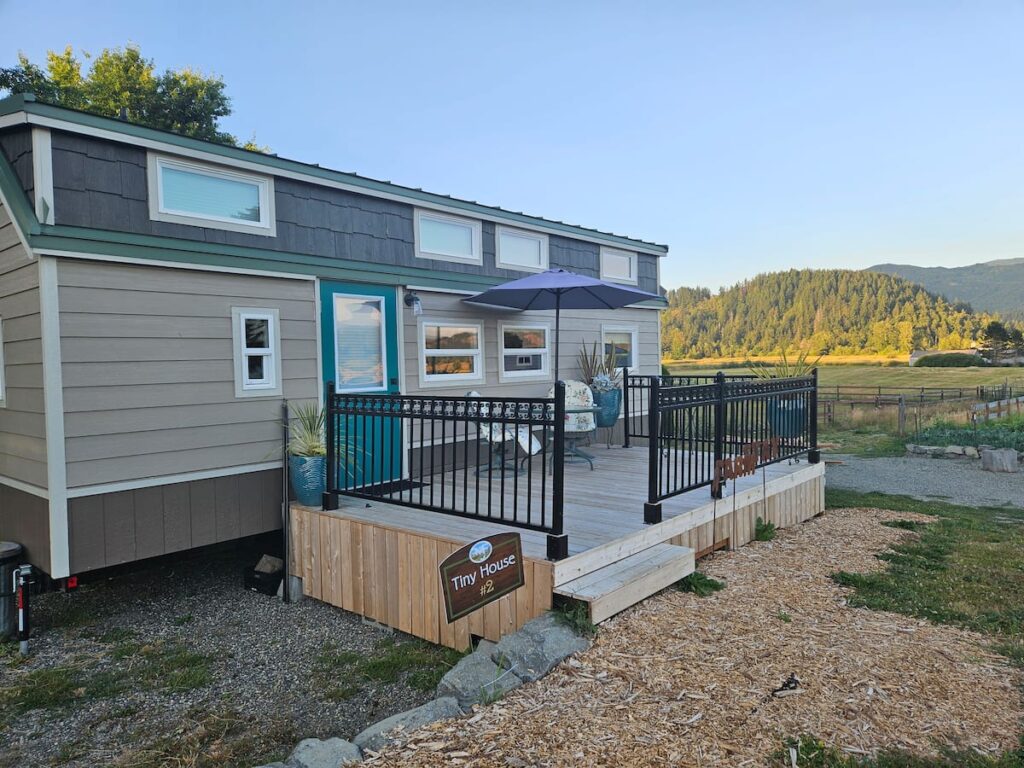
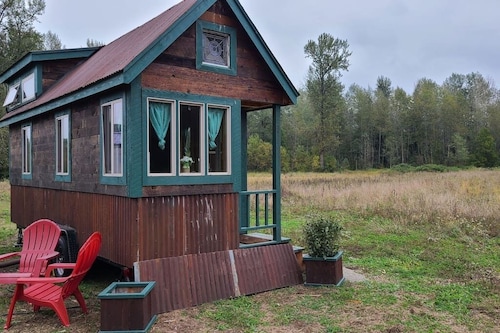
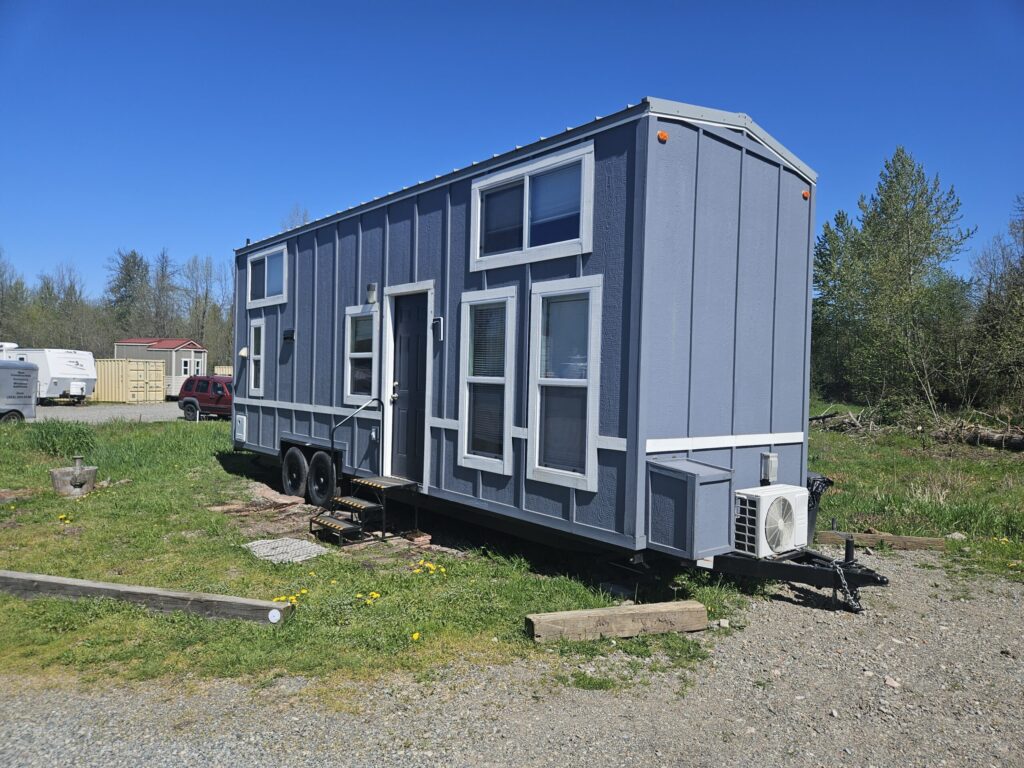
Buying a tiny home is exciting, but appearances can be deceiving.
A beautifully finished interior may conceal issues that are not immediately obvious during a walkthrough.
An independent inspection can help identify visible concerns such as:
- Evidence of water intrusion
- Roof damage or improper flashing
- Plumbing leaks
- Electrical deficiencies
- Heating and cooling performance
- Window and door operation
- Improper drainage
- Safety concerns
- Structural movement
- Appliance operation
- Interior finish defects
- Exterior maintenance issues
Even newly completed tiny homes can experience problems resulting from transportation, installation, settling, weather exposure, or simple construction oversights.
Discovering these concerns before completing a purchase can save thousands of dollars in unexpected repairs.
Why Sellers Benefit From a Pre-Listing Inspection
Independent inspections are equally valuable for sellers.
A pre-listing inspection allows sellers to understand the home’s condition before placing it on the market.
Benefits include:
- Identifying repair items before buyers do
- Reducing surprises during negotiations
- Building buyer confidence
- Demonstrating transparency
- Potentially shortening the sales process
Many buyers appreciate knowing that the seller has taken the initiative to provide an independent assessment of the home’s condition.
Common Issues Found in Tiny Homes
Every inspection is different, but some of the most common observations include:
Water Intrusion
Water is one of the greatest threats to any home.
Leaks may occur around:
- Roof penetrations
- Windows
- Exterior doors
- Utility penetrations
- Plumbing fixtures
- Skylights
Even small leaks can lead to wood rot, mold growth, insulation damage, or structural deterioration if left unaddressed.
Electrical Concerns
Electrical systems should be installed safely and in accordance with applicable standards.
Common observations may include:
- Loose outlets
- Missing GFCI protection
- Improper wiring methods
- Inadequate circuit protection
- Damaged electrical components
Electrical deficiencies should always be evaluated and corrected promptly.
Plumbing Issues
Because tiny homes often utilize compact plumbing systems, small leaks may go unnoticed until damage becomes significant.
Inspections commonly evaluate:
- Water supply lines
- Drain systems
- Water heater operation
- Fixture operation
- Visible leaks
- Water pressure
Structural Components
Transportation places unique stresses on Tiny Homes on Wheels.
Repeated movement over highways may contribute to:
- Fastener movement
- Interior finish cracking
- Cabinet movement
- Door alignment issues
- Roof seal deterioration
- Exterior trim separation
These conditions are not uncommon and should be evaluated during an inspection.
Understanding the Limits of an Inspection
A professional inspection is a non-invasive visual inspection.
This means inspectors do not:
- Remove drywall
- Open walls
- Remove insulation
- Lift flooring
- Remove roofing materials
- Disassemble cabinetry
- Remove siding
- Perform destructive testing
As a result, hidden defects may exist that cannot be observed during a standard inspection.
Examples include:
- Concealed plumbing leaks
- Hidden mold
- Improper framing behind finished walls
- Electrical wiring inside wall cavities
- Hidden structural damage
- Insect damage inside enclosed spaces
No inspection company can guarantee that hidden defects do not exist without destructive investigation.
An Inspection Is a Snapshot in Time
An inspection reflects the visible condition of the home on the day it is inspected.
Mechanical systems that function properly today may fail tomorrow due to normal wear, manufacturing defects, weather, or unforeseen events.
Similarly, future maintenance will always be necessary to protect your investment.
An inspection should be viewed as an important decision-making tool—not a warranty or guarantee against future repairs.
Independent Means Objective
One of the greatest advantages of hiring an independent inspector is objectivity.
Our responsibility is not to sell homes, build homes, finance homes, or negotiate transactions.
Our responsibility is to provide clear, factual observations about the home’s accessible condition.
This allows buyers and sellers to move forward with confidence based on reliable information rather than assumptions.
Choosing the Right Inspector
Not every home inspector has experience with Tiny Homes on Wheels.
When selecting an inspector, consider whether they understand:
- Tiny home construction methods
- Trailer-mounted structures
- Moisture management
- Ventilation systems
- Compact plumbing layouts
- Electrical systems unique to tiny homes
- Heating and cooling equipment commonly found in THOWs
- Building standards applicable to factory-built tiny homes and RV-style construction
Choosing an inspector familiar with tiny homes helps ensure the inspection focuses on the systems and details most relevant to this unique type of housing.
Peace of Mind Is Worth the Investment
Whether you’re purchasing your first tiny home, selling a custom-built THOW, or simply wanting a professional assessment of your investment, an independent inspection provides valuable information that can help reduce uncertainty and support informed decisions.
At Tiny Home Inspectors, we believe every buyer and seller deserves an honest, thorough, and independent evaluation of their tiny home. Our goal is to provide clear reporting, detailed photographs, and practical observations that help clients better understand the home’s visible condition at the time of inspection.
A Tiny Home on Wheels represents more than a place to live—it represents freedom, flexibility, and a unique lifestyle. An independent inspection helps protect that investment and provides confidence as you move forward with your purchase or sale.
Leave a Reply