
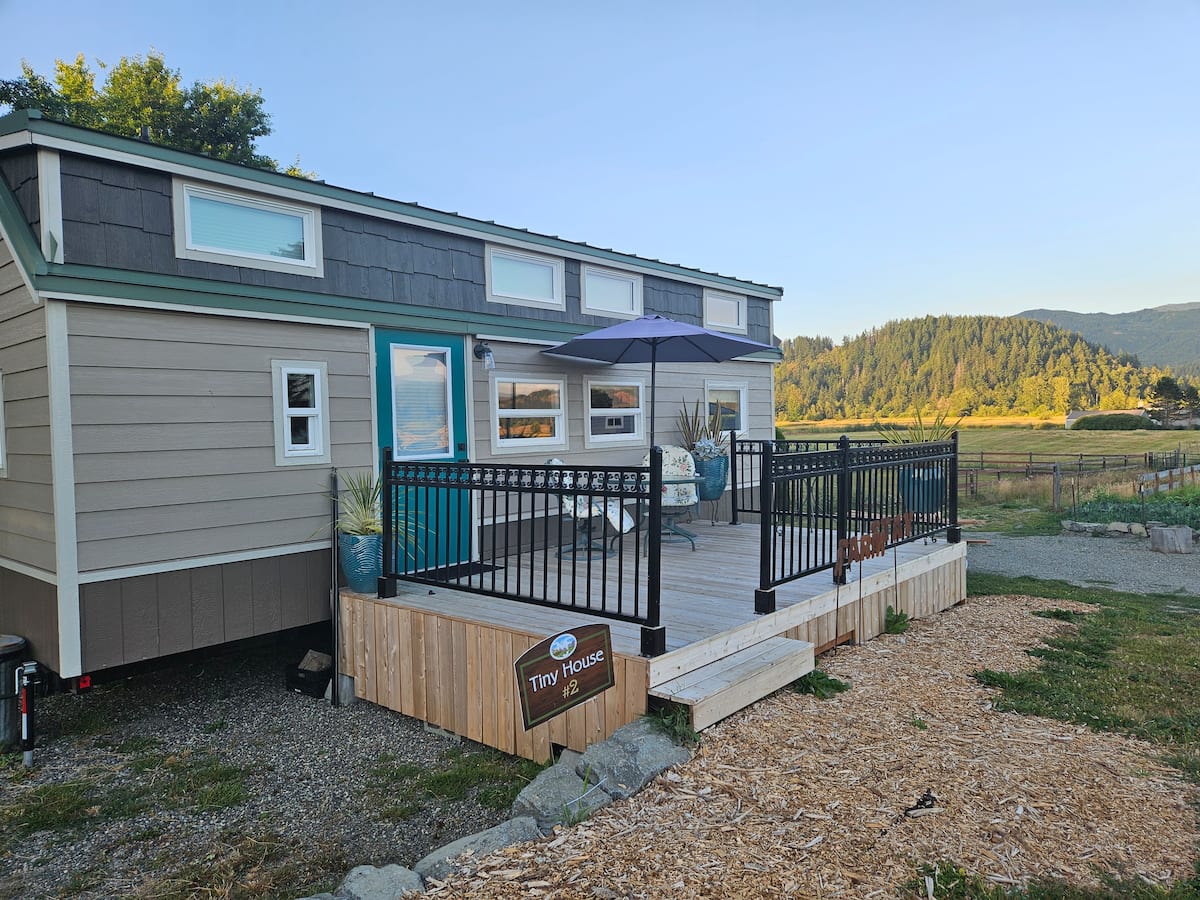
At Tiny Home Inspectors, we specialize in the inspection of many types of alternative housing. While each type of structure is unique, all benefit from an independent inspection to help buyers, sellers, owners, lenders, and insurance providers better understand the visible condition of the property.
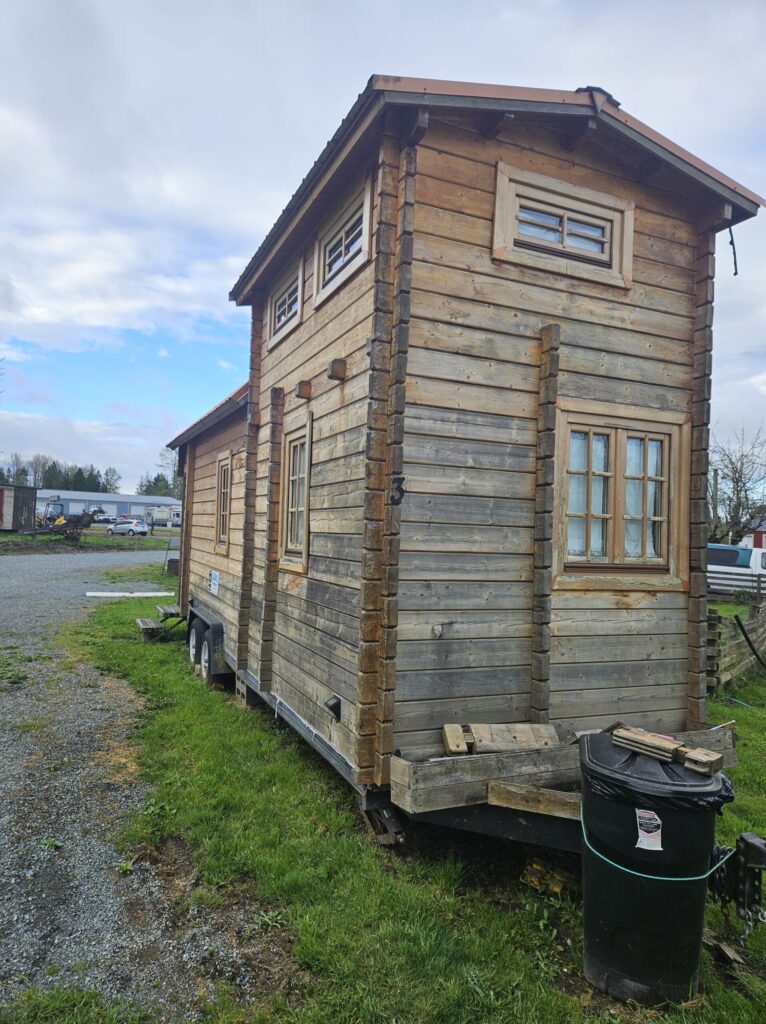
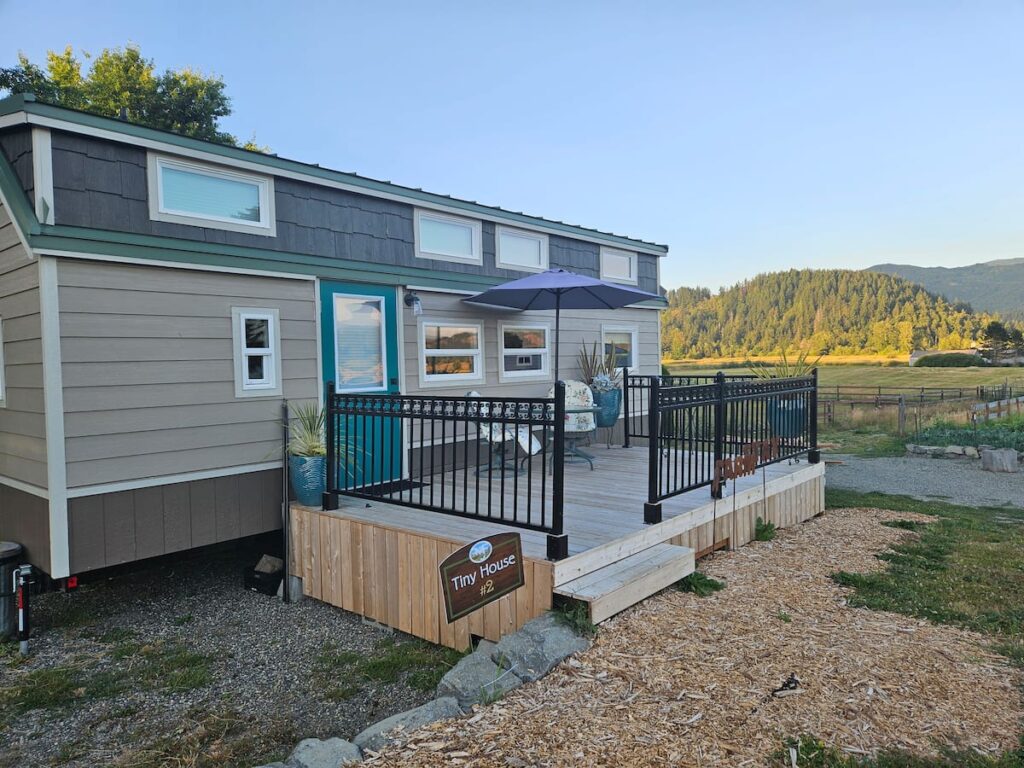
Tiny Homes on Wheels (THOW)
Built on a trailer chassis, Tiny Homes on Wheels combine compact living with mobility. These homes often include full kitchens, bathrooms, sleeping lofts, and modern amenities in a highly efficient footprint.
Park Model Homes
Park Model RVs are factory-built homes constructed to the ANSI A119.5 standard. They are commonly found in RV resorts, tiny home communities, seasonal parks, and on private property where permitted.
Tiny Cabins
Tiny cabins provide the comfort of a traditional home in a smaller, more efficient design. They may be used as primary residences, vacation homes, guest accommodations, or short-term rentals.
Modular Tiny Homes
Modular homes are factory-built in sections and assembled on a permanent foundation. They are constructed to state or local building codes and offer many of the features found in conventional homes.
Manufactured Homes
Manufactured homes are built in a factory under federal HUD standards and transported to their installation site. Modern manufactured homes can provide affordable housing with a wide variety of floor plans and features.
Mobile Homes
The term “mobile home” generally refers to factory-built homes constructed before June 15, 1976, before HUD’s national Manufactured Home Construction and Safety Standards took effect. While many remain in service today, their construction differs from newer manufactured homes.
Recreational Vehicles (RVs)
Many people use recreational vehicles for extended travel, seasonal living, or even full-time occupancy where permitted. Inspections can help identify visible concerns with structural components, plumbing, electrical systems, appliances, roofing, and safety features.
Portable Offices
Portable office buildings serve construction sites, schools, businesses, government agencies, and temporary work locations. Regular inspections can help identify maintenance needs and safety concerns.
Accessory Dwelling Units (ADUs)
ADUs are secondary residential units located on the same property as a primary home. They may be detached, attached, or created by converting existing structures such as garages or basements.
Backyard Studios and Offices
Backyard studios are increasingly popular as home offices, creative workspaces, guest rooms, and hobby spaces. Like any structure, they benefit from periodic inspections to evaluate their visible condition.
Shipping Container Homes
Shipping containers are being repurposed into residential and commercial spaces throughout North America. Because they involve structural modifications, insulation systems, moisture management, and custom construction methods, inspections can provide valuable insight into their condition.
Modular Offices and Commercial Buildings
Factory-built commercial structures—including classrooms, offices, retail buildings, and temporary facilities—can also benefit from independent inspections during purchase, relocation, or resale.
Why Independent Inspections Matter
Regardless of the housing type, an independent inspection provides an objective assessment of the property’s visible condition at the time of the inspection. Our evaluations help identify maintenance concerns, safety issues, and signs of wear while giving buyers and sellers valuable information to support informed decisions.
Every structure has unique construction methods and limitations. Our goal is to provide clear, factual reporting so our clients understand what can be observed, what may require further evaluation, and how to better protect their investment.
Leave a Reply