
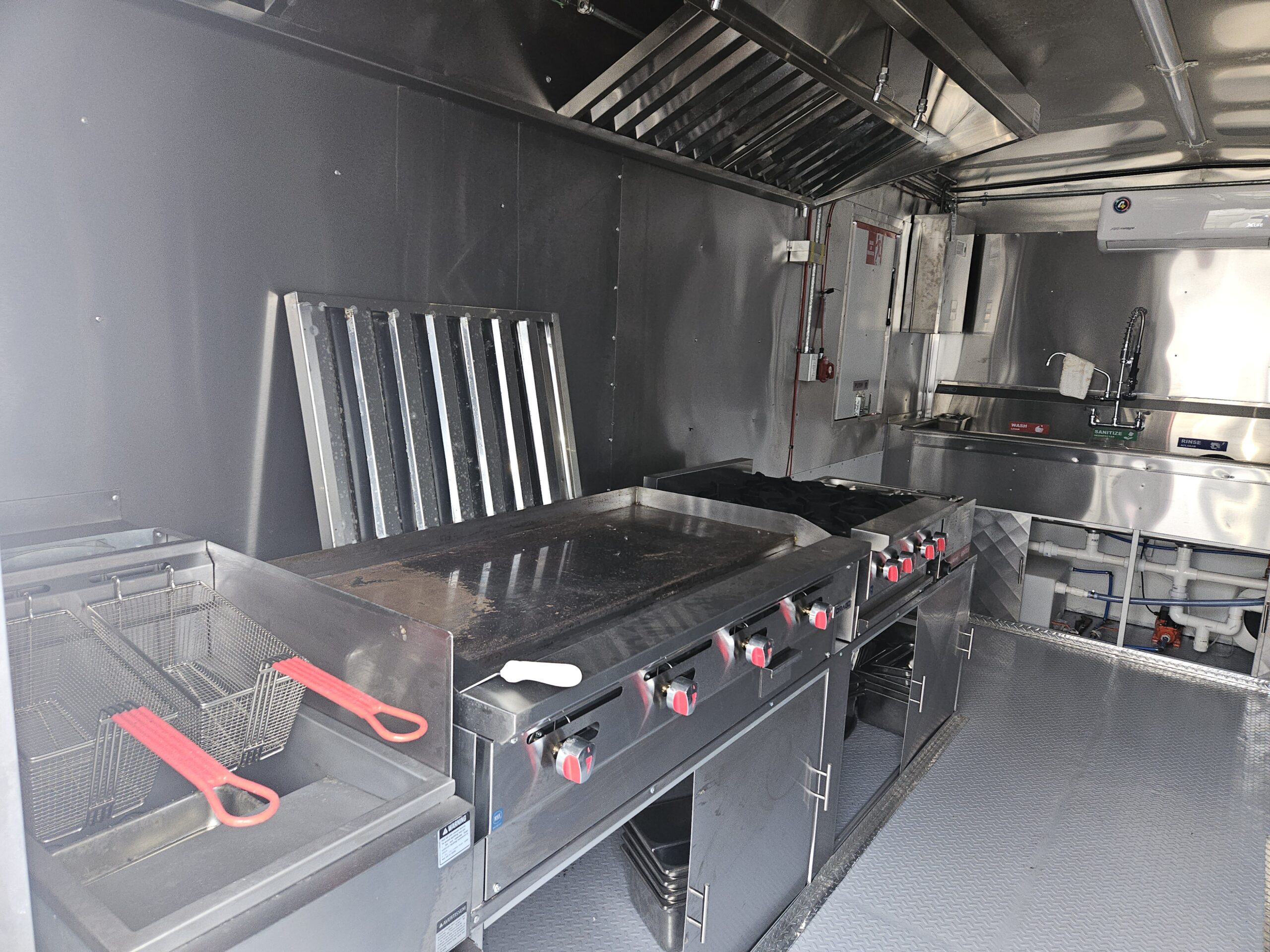
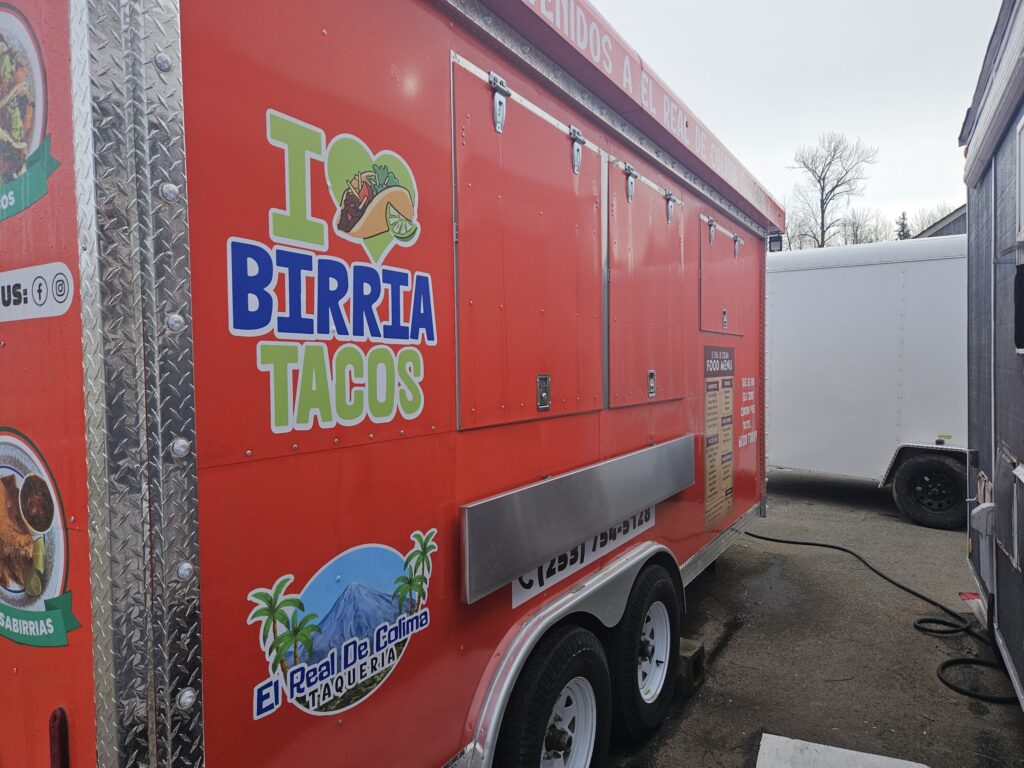
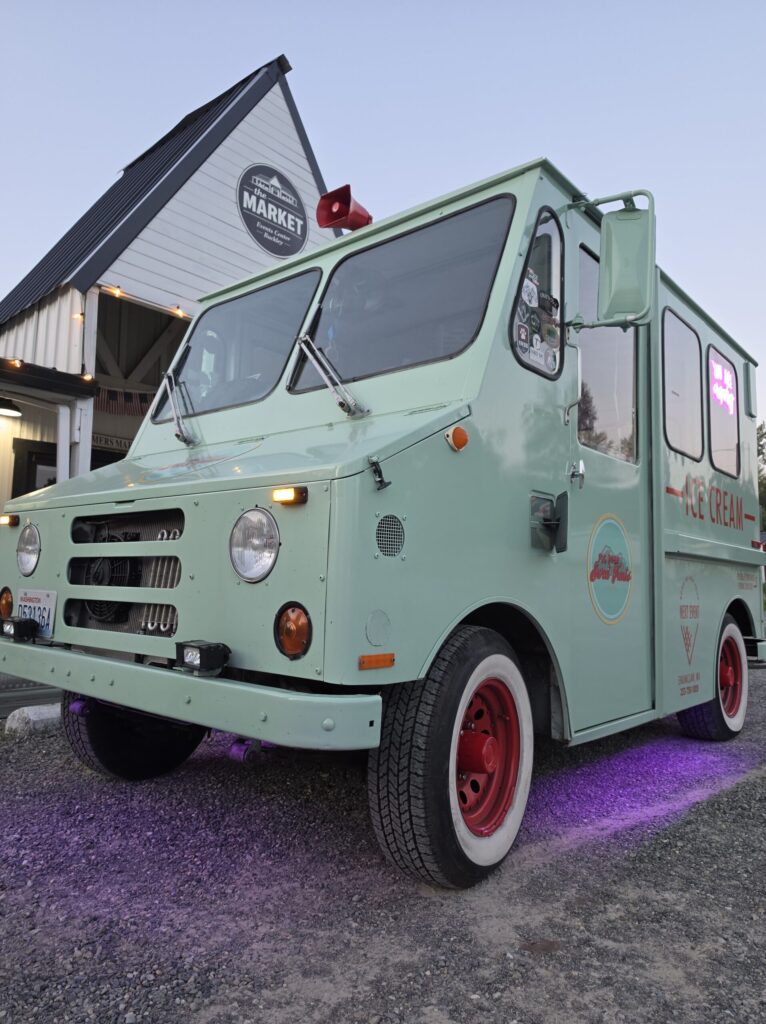
A food truck or mobile food trailer is far more than a vehicle. It is a commercial kitchen, a workplace, and often one of the largest investments a food business owner will make. Whether you are purchasing your first food truck, expanding your fleet, selling an existing unit, or seeking financing, an independent inspection provides valuable information about the condition of the unit before important decisions are made.
Protect Your Investment with an Independent Inspection
At Tiny Home Inspectors, our certified inspectors bring extensive experience with factory-built commercial structures. Our background includes working with Washington State Labor & Industries on plan approvals, construction requirements, manufacturing practices, and inspections of factory-built food trucks and concession trailers. This experience allows us to understand how these mobile kitchens are assembled and where problems commonly develop over time.
Why an Independent Inspection Matters
Food trucks endure far different conditions than traditional commercial buildings. Every mile traveled subjects the structure to vibration, twisting, weather exposure, temperature changes, and continual movement. Over time, these conditions can affect roofing, plumbing, electrical systems, cabinetry, appliances, sealants, flooring, and structural connections.
An independent inspection provides an objective evaluation of the unit’s accessible condition. Unlike a seller, manufacturer, or dealer, an independent inspector has no financial interest in the sale. Our responsibility is simply to document the visible condition of the food truck so buyers and sellers can make informed decisions with confidence.
What We Inspect
Our inspections are comprehensive visual evaluations of accessible systems and components throughout the food truck or concession trailer. We examine the exterior, roofing, body panels, service windows, entry doors, flooring, walls, ceilings, cabinetry, countertops, plumbing fixtures, water heater, electrical distribution, receptacles, lighting, ventilation systems, exhaust equipment, HVAC components, permanently installed appliances, trailer frame, coupler, safety chains, visible structural members, and general workmanship.
We also evaluate the overall condition of sealants, look for evidence of moisture intrusion, identify visible signs of deferred maintenance, and document observations that may warrant additional evaluation by a qualified specialist.
Specialized Industry Experience
Food trucks combine several specialized construction disciplines into one compact structure. They incorporate commercial kitchen equipment, electrical distribution, plumbing systems, propane systems, ventilation equipment, structural framing, insulation, refrigeration, and transportation components that must all work together safely and reliably.
Because our inspectors have experience with Washington State Labor & Industries processes involving factory-built structures, including plan approvals and construction practices, we understand the unique characteristics of food trucks and concession trailers. This experience helps us recognize common construction methods as well as conditions that deserve closer attention.
Benefits for Buyers
Purchasing a used food truck without an inspection can expose buyers to unexpected repair costs and operational downtime. A professional inspection can reveal visible concerns involving roof leaks, plumbing deficiencies, electrical issues, damaged flooring, deteriorated sealants, water intrusion, structural movement, appliance operation, ventilation systems, and overall maintenance. Identifying these concerns before closing allows buyers to negotiate repairs, better understand future maintenance needs, and make informed purchasing decisions.
Benefits for Sellers
A pre-listing inspection can increase buyer confidence by demonstrating transparency and helping eliminate surprises during negotiations. Sellers gain the opportunity to address maintenance concerns before marketing the unit, establish a more accurate asking price, and provide prospective buyers with an independent assessment of the vehicle’s condition. Many transactions proceed more smoothly when both parties begin with the same objective information.
Understanding the Scope of an Inspection
Our inspections are visual and non-invasive. We do not remove walls, ceilings, insulation, cabinetry, roofing materials, or permanently installed equipment to inspect concealed areas. Because many components remain hidden behind finished surfaces, some conditions cannot be identified without destructive investigation.
Likewise, our inspection is not intended to certify compliance with health department regulations, fire suppression systems, propane pressure testing, engineering requirements, or local licensing requirements unless specifically contracted as a separate service. The inspection represents the observable condition of the food truck or trailer on the day it is inspected and should be viewed as an important decision-making tool rather than a warranty or guarantee of future performance.
Protect Your Business Investment
Whether you are purchasing your first concession trailer, adding another food truck to your fleet, preparing to sell an existing unit, or simply wanting a professional assessment of your mobile kitchen, an independent inspection provides valuable peace of mind.
At Tiny Home Inspectors, our goal is to deliver detailed, objective inspection reports supported by photographs, professional observations, and practical recommendations. Our experience with factory-built structures and Washington State Labor & Industries construction standards allows us to provide knowledgeable inspections that help protect your investment and support confident business decisions.
Before you buy, before you sell, and before you invest, schedule a professional Food Truck or Mobile Food Trailer Inspection with Tiny Home Inspectors.u steer the discussion to its final stages.
Leave a Reply